This post may contains affiliate links. We may earn a commission, at no additional cost to you, if you make a purchase via our links. See our disclosure for more information.
The phrase “ingredient household” has become a TikTok trend lately, but what does it mean and how does it actually work? As someone who has lived this way for over a decade, I’ll break down what it is, how to make it easier for yourself, and how to make the switch!
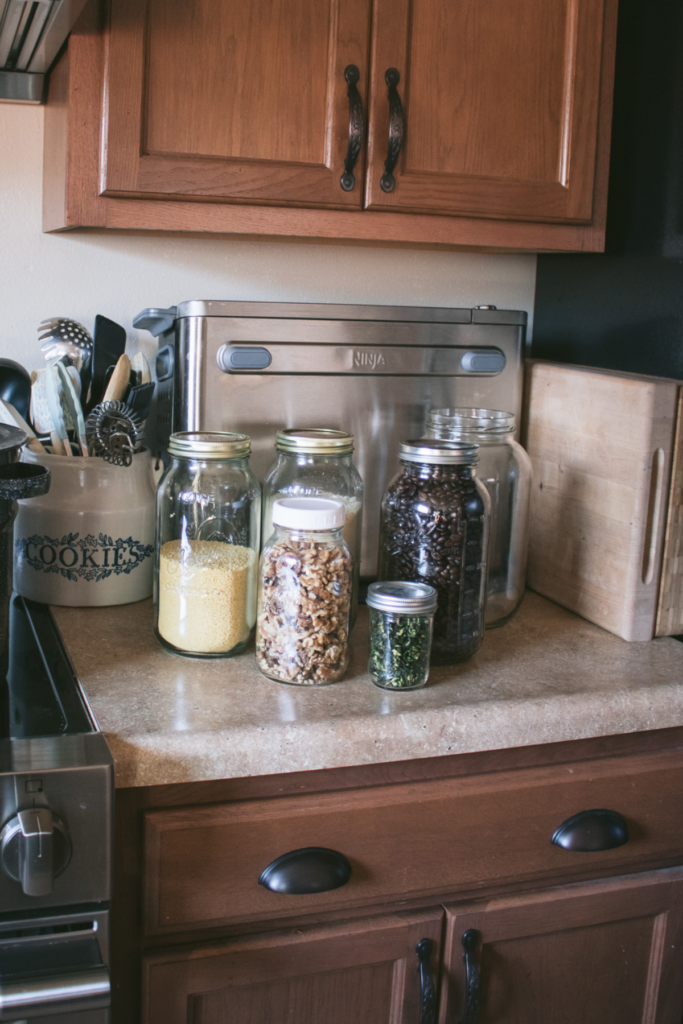
If you were to ask someone about ingredients-only households 100 years ago, they’d tell you that everyone lived in an ingredient household.
This is just how people lived and ate.
You bought or raised ingredients that you used for home-cooked meals, breads, and staples. If you had something different, it was typically a special occasion or treat.
These days, we’re so used to having premade foods, snacks, and convenience foods on hand. It’s easy to go to a grocery store and buy pre-made or pre-cooked foods for every meal!
I definitely am not about to judge anyone – that’s not my thing. I understand that premade foods and snacks are helpful and often more affordable for many people, particularly people with disabilities. When processed food is cheaper than produce, you buy it. I get it.
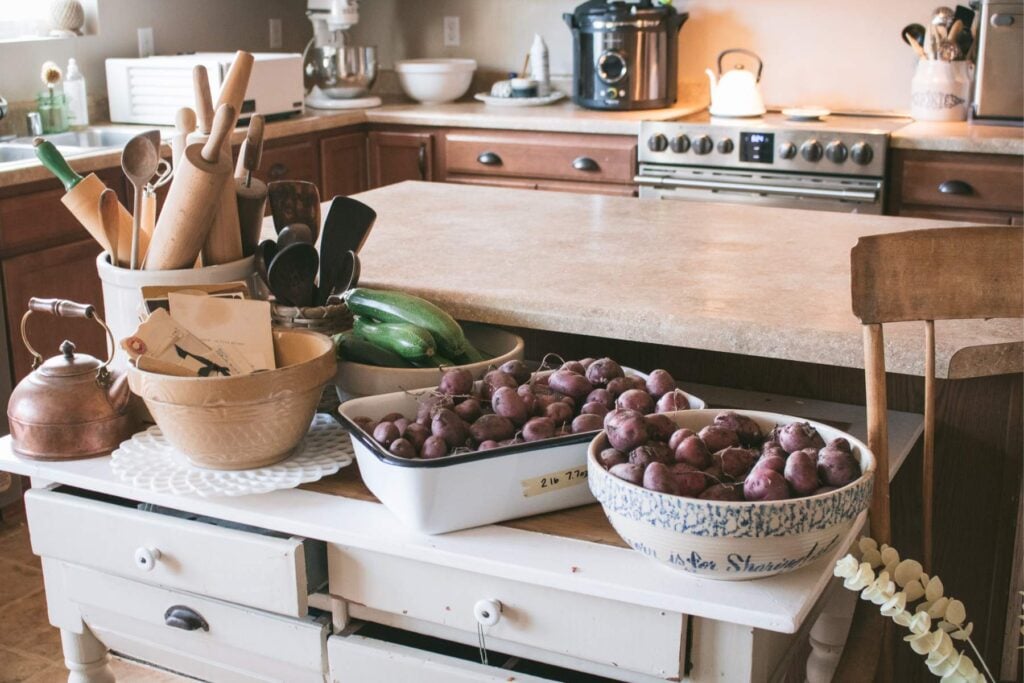
From Hamburger Helper to farmers markets
I grew up on a mix of different ways of eating. My dad liked to go hunting and fishing, so we often had salmon that I helped pluck from the Puget Sound.
We’d forage for blackberries until our faces and fingers turned purple and I remember being amazed by the abundance of resources we could gather from the earth.
While he was out to sea with the Navy, we often relied on more convenient meal starters, like dry cereal, Hamburger Helper, store-bought bread, granola bars, etc. This became the norm for us for much of my childhood.
However, in the summer, I’d spend a couple of weeks with my grandparents in the heart of Wisconsin farm country.
My grandpa would drive me to the different farmstands, how to pick the best muskmelons, and tell stories about the gardens he used to have. He still grew a giant garden in the backyard every year, and I remember thinking it was a wild, kind of scary place.
Looking back, I see these moments as part of my origin story. Although I grew up with convenience foods, I was drawn to the past and wanted to learn how to make the types of foods my great-great grandparents would have eaten.
I quickly started working with sourdough, pickling and fermenting, canning, dehydrating, rendering lard, cooking offal, and doing all kinds of things my family though seemed a little crazy.
Eventually, I found myself among other bloggers in the real food community, which led me to farmers markets, gardening, and buying in bulk. That quickly became a lifestyle and I even managed a local farmers market for several years! I still work occasionally on local farms in the summers and my garden gets a little bigger every year.
Now our pantry is full of mostly bulk staples, like gallons of vinegar or oil, 25 pound bags of oats and wheat berries, and more.
Call it homesteading, self-sufficient, being frugal or whatever you want – it’s really about being more in-control of the foods we eat and maintaining a deep connection to the land.
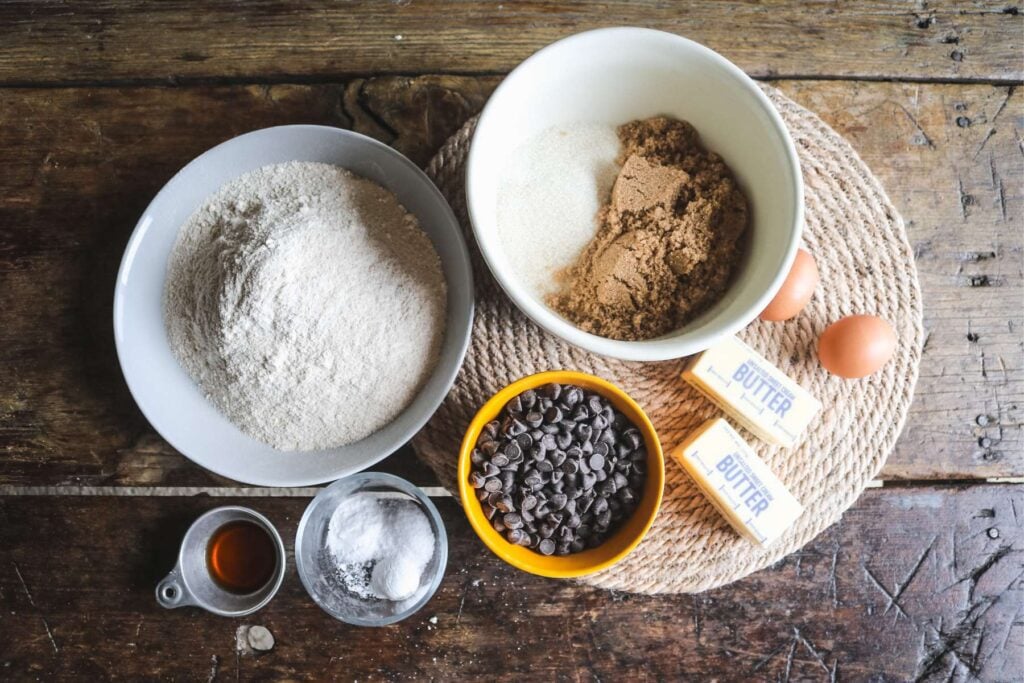
What is an ingredients household?
Basically, it’s a home where most of the foods are cooked from scratch. You have all of the ingredients you need for recipes, but generally need to prepare them yourself.
It’s the opposite of a ready-made household, where people have pre-made foods and snacks they can open and eat (or heat up and eat) in just moments.
But please remember that there is a broad spectrum between eating TV dinners for every meal and milking the cow to make your own cheese.
There’s no need to get overly strict about it and the only “right” way to be is one that works for your health, schedule, and budget.
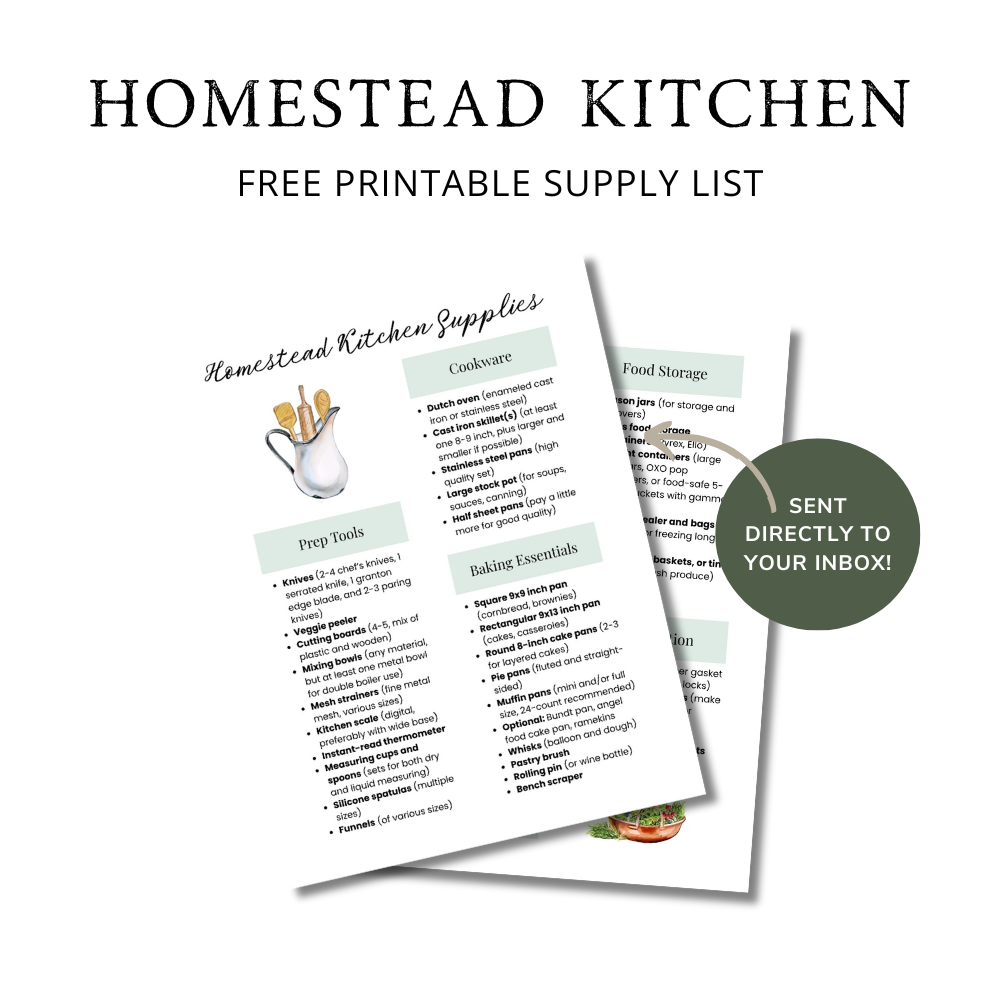
Get my free Homestead Kitchen Supply List!
Ready to set up your ingredient household once and for all? Start with my Homestead Kitchen Supply List to map out everything you need to get going. Free for email subscribers!
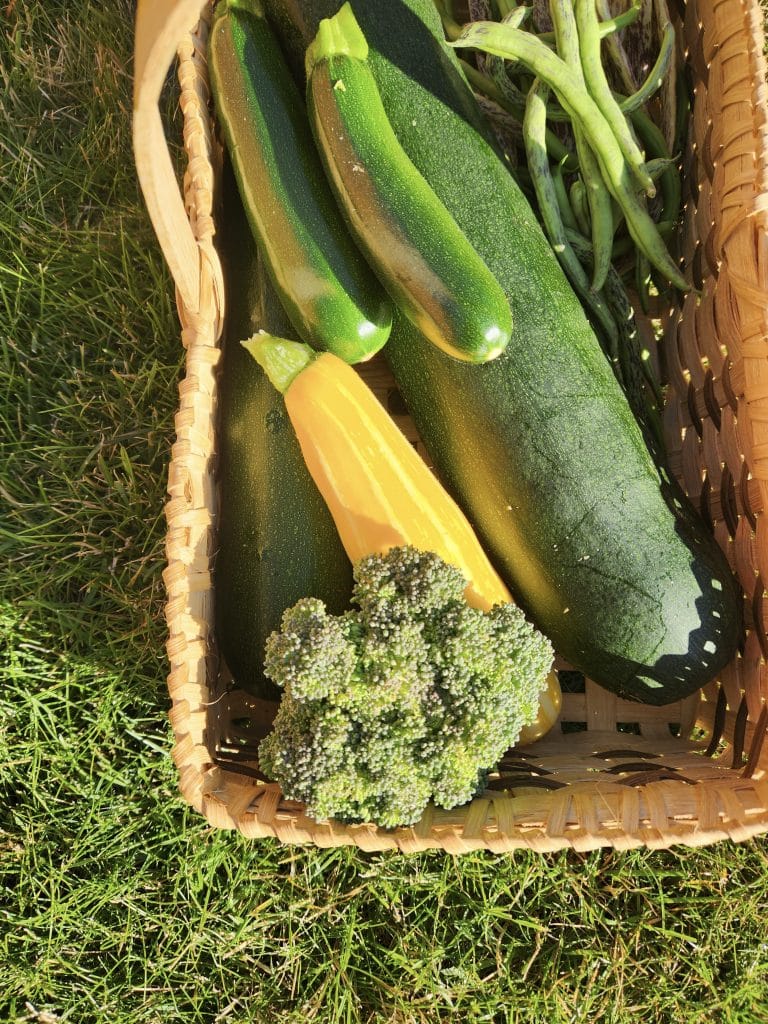
Why Would You Want to Be an Ingredient Household
Most people come to this lifestyle for a specific reason. Maybe they have a food allergy and need to make their own foods out of necessity. Others are concerned about the quality of foods available in stores while others are in it to spend less money.
- Increase quality of ingredients
- Minimize consumption of overly processed foods
- Reduce packaging waste
- Save money (it can be a great way to save money, but it’s also easy to spend even more when you’re opting for higher-quality ingredients)
- Avoid GMOs, allergens, or other specific ingredients
- Take control of your food supply
- Make the most of your garden and local produce
- Stop giving money to mega corporations

Common Pantry Staples in Ingredients-Only Households
The specific pantry staples will likely vary depending on your budget, allergens, and dietary needs.
My husband and I typically opt for organic ingredients whenever possible, and prefer to choose pasture-raised meats, dairy, and poultry when our budget allows.
We do use sugar in addition to other natural sweeteners, and we do use wheat flour, although we like to mill our own grains and often buy wheat berries.
We almost always have these foods on hand:
- Eggs
- Meats
- Cheese (usually several types, including at least cheddar and parmesan cheese at all times)
- Wheat flour (we keep bread flour, wheat flour, and white all-purpose flour on hand as well as several types of wheat berries)
- Oats
- White, powdered, and brown sugar
- Honey
- Maple syrup
- Quinoa
- Dry beans
- Butter
- Buttermilk, yogurt, and sour cream
- Rice
- Dried pasta (we make our own sometimes, but usually buy single-ingredient high-fiber pasta)
- Dehydrated fruits (or we dry them ourselves)
- Canned tomatoes, tomato paste, and tomato sauce
- Peanut butter
- Chocolate chips
- Kalamata olives
- Fresh and frozen fruits and vegetables (lots and lots)
- Soy sauce
- Dijon mustard
- Lots of dried spices
During busy times, we may buy wheat bread from the store, but it’s been easy for us to make 4 loaves of bread at a time, and freeze the extras for later.
We do like quesadillas and burritos, so occasionally we sometimes buy tortillas. If we know we’re having a busy week, we might buy tortilla chips for nachos.
Things we don’t usually buy
Honestly, this list is kind of hard to complete because I don’t spend a lot of time thinking about what we don’t buy. Think of these more as “sometimes foods” instead of never-buys.
- Bags of chips
- Frozen French fries or tater tots
- Grab-and-go snacks (fruit roll-ups, gummies, etc)
- Granola or granola bars
- Lunch meat (sometimes)
- Bread
- Jams or jellies (we make these, like this caramel apple jam or marionberry jam)
- Sliced cheeses
- Salad dressing
- Pre or par-cooked starches (microwave or instant rice, potato flakes, etc)
- Boxed meal starters
- Dry cereal
- Premade baking mixes or dough
Every once in a while we’ll grab a frozen pizza or two for those busy nights. We do go out to eat or order takeout every once in a while (maybe 1-2 times per month).
Does everything need to be from scratch?
I’ve received this question a bit. People wonder how processed is too processed. How many ingredients does a product need before it becomes something other than an ingredient?
Again, there’s no right answer here and you can be as rigid or lax as you want.
Depending on price and value, we also buy some of our essential foods instead of making them.
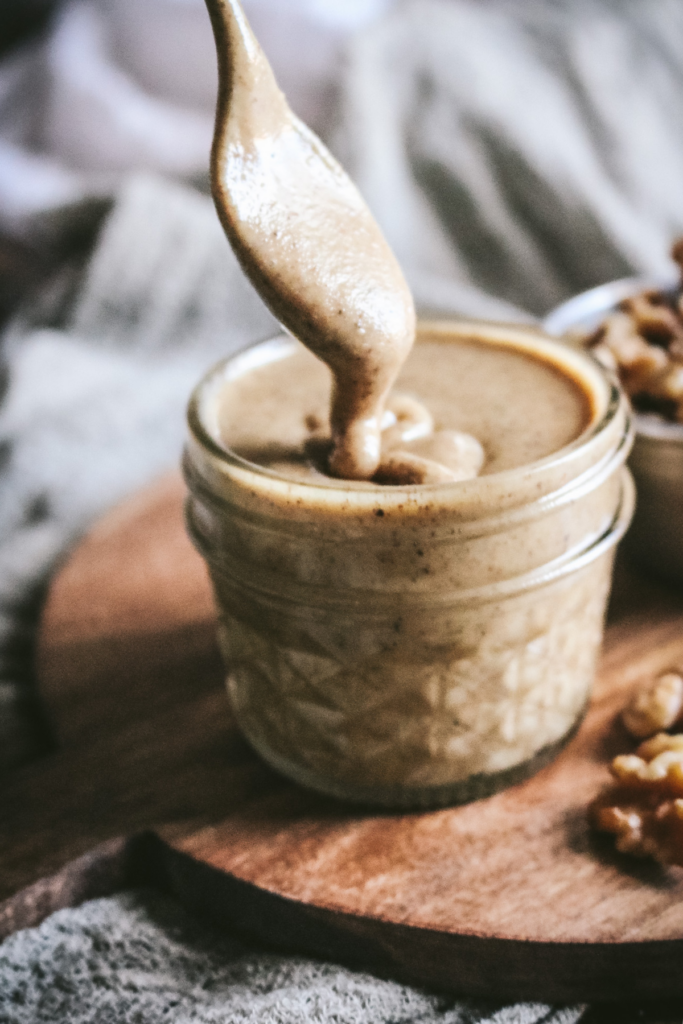
For example, I have no problem making my own nut butter, but I also don’t mind buying it at Costco or Azure Standard.
We do often buy blocks of cheese instead of shredded cheese, but I’m not opposed to buying a bag of shredded mozzarella cheese to make pizza here and there.
Yes, we grow a big garden and make lots of dishes with those foods, but I also stock up on jars of organic tomato sauce at Costco.
It’s not about living like its the 1800s. This is just my life – not some sort of experiment. We like it like this!
Quick Snacks in Ingredients-Only Households
This is maybe the most frustrating part. If you’re hungry and open the fridge or pantry for a quick snack, what will you find?
I promise that everyone who lives like this has eaten some weird snacks at times, like a spoonful of peanut butter, a handful of chocolate chips, or chunks of cheese.
We typically prioritize eating fruits and veggies first. I’m a big fan of sliced apples with cheddar cheese or with a little Greek yogurt.
We use an air popper to make popcorn almost every day. It’s one of the easiest, cheapest snacks ever!
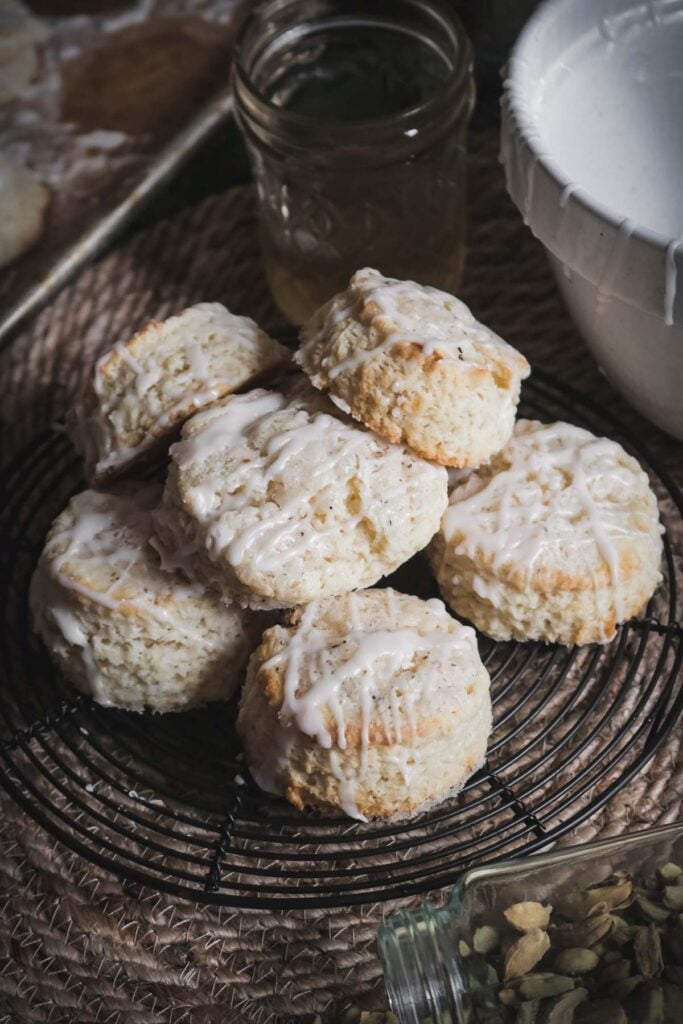
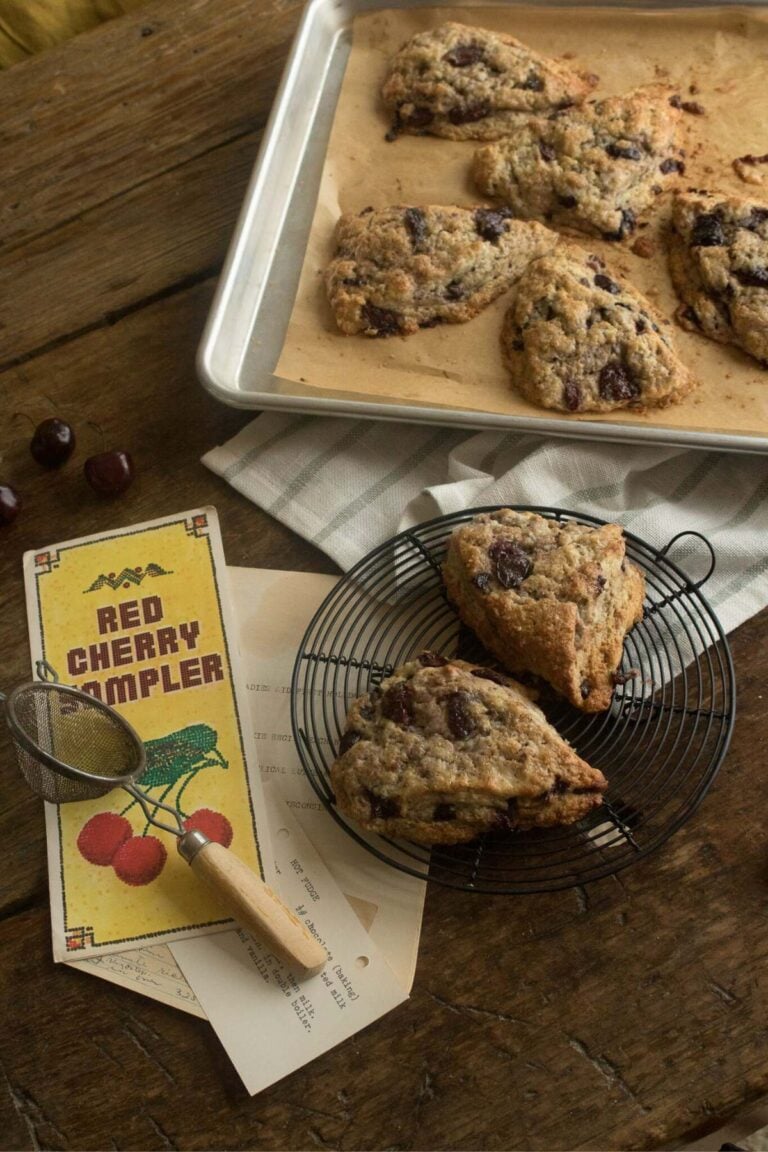
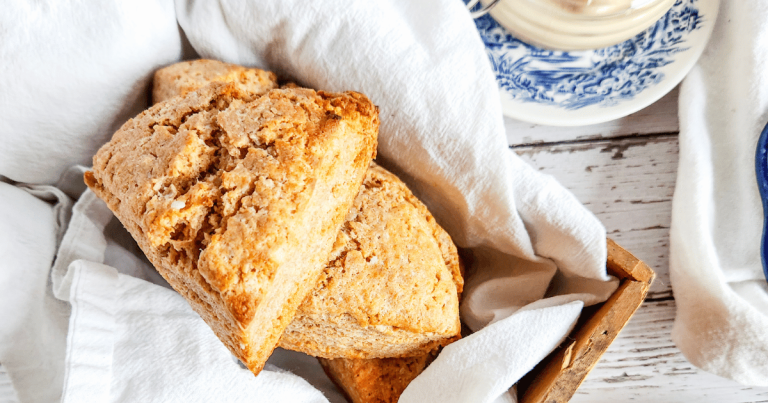
The definition of “quick” also changes when you live like this for a while. Making a batch of scones takes about 30 minutes, which I consider pretty quick!
We also like to have homemade bread on hand to make toast or sandwiches.
The best quick food? Leftovers! We love to have jars of soup or containers of leftovers on hand for simple meals.
The more you get used to it, the easier it gets.
How do you become an ingredient household?
The first step is to understand your why. Are you trying to save money? Go zero waste? Increase the quality of your foods?
Once you know that, it’s easier to know where to focus.
I started this as a way to make ends meet when I was a broke kid just out of college.
I only bought pantry staples because they were cheaper and could feed me more meals. Snacks were splurges, not everyday foods.
When I started learning more about the real food movement, I became much more interested in switching to higher quality ingredients and started spending more for organic foods and local produce.
Since these foods often cost more, spending extra on premade foods wasn’t a priority anymore.
(P.S. Learn my insider tips for buying local produce on a budget here.)
I recommend starting by substituting one thing you currently buy instead of replacing everything.
Try making your own:
- Nut butters
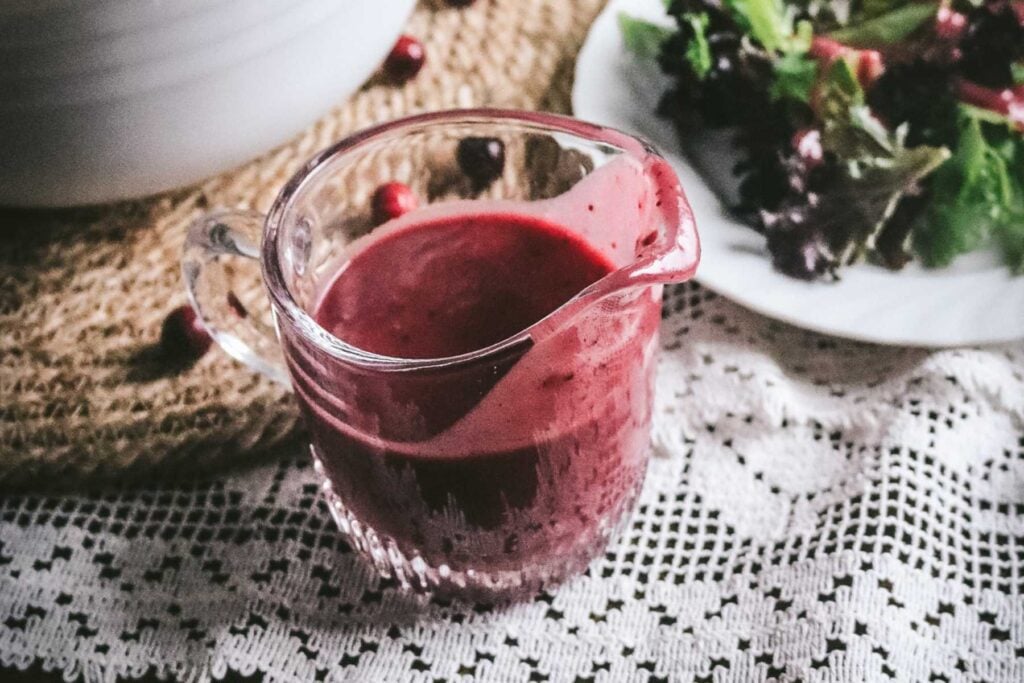
- Salad dressing
- Breads
- Granola or granola bars
- Scones, muffins, or cookies
- Chicken stock
- Crackers
- Spice mixes
All of these are quite simple to make and once you get that little hit of dopamine and see how much cheaper it is, it becomes satisfying in its own way.
If you’ve been trying to switch away from preprocessed foods and want to give this ingredient household thing a try, I have lots of recipes and resources to help you along!
Get my free Homestead Kitchen Supply List!
Ready to set up your ingredient household once and for all? Start with my Homestead Kitchen Supply List to map out everything you need to get going. Free for email subscribers!







If you enjoy this post, please leave a comment or ask a question below! I’d love to hear what you think and hear about your own experiences.
Want more seasonal recipes? Subscribe for email updates or follow Milk Glass Home & Kitchen on social media. Join my Facebook Group Seasonal Slow Living to become part of the community!
Pin this post for later!



Thank you!
I have recently “found” you, and am finding your posts to be relevant, interesting and full of ideas and facts.
Thank you for putting your time into this blog and for sharing your recipes and ideas with others free of charge!
I’m a Type 2 diabetic, from years of stress at my job, which I retired early from because it was literally killing me.
So, most of your recipes will need to be adjusted for low/no carb and sugar free (i do use allulose and xylitol), but I am figuring out substitutes for most everything and learning how to make carb free breads, scones, pastas, (and store bought pasta versions for keto as well).
I’m also in the beginning of attempting to make a weekly menu to help me keep costs down and to eat better and not go off keto!
Lovely blog article! I am a working on transitioning to an an ingredient kitchen. We are about 80% there. Finally got a sour dough starter to work after three attempts. I find this lifestyle helps me with anxiety and chronic stress. Gave up our backyard to put in a big garden and we spend way more time outside now than we did with a swimming pool
This is such a lovely article. I can’t wait to start my ingredient kitchen. Thank you for these suggestions!
Haha, “ingredient household”? This is what used to be called cooking. Heating up a prepared meal is not cooking!
My youngest daughter recently called our home, an ingredient kitchen! I wasn’t sure what she meant. She was visiting home for the weekend and needed a snack. I told her I could make whatever she wanted!!!
Jean,
Aw, that’s funny! It’s sort of a silly term, right? It’s just a house where people cook and bake instead of relying on conveniences, but it’s SUCH a different way of living for many people.
And I hope she took you up on your offer to make something! Feeding people is a love language, and I bet it brings you joy, just like it does for me, too.
Thanks for sharing! 🙂
I don’t do a lot of shopping at our farmers market…pricey. Many vendors say they are organic but don’t have the seal or certification displayed. I have inquired a couple of times, and they tell me they follow the farming requirements but the certification is expensive to obtain. And those who aren’t organic charge prices similar to the organic farmers.
But I recently learned that there is a group of farmers that have organized across our state through the state food hub cooperative after losing some institutional contracts last year and are now making food boxes featuring state grown organic products (Certification is noted on labels or in literature) avaialble at reasonable prices to state residents. As a consumer, I can commit to a subscription for a discount. But purchases can also be one and done or an occasional purchase on my terms. Boxes that feature more produce can be purchased weekly; meat/dairy products are available on a monthly basis. There are boxes for 1-2, 2-4, or 4-6 person households, and you can even make purchases to donate to a food pantry. There is even a short add-on list of items such as honey, maple syrup, microgreens, and more. My community does not have a pick up site but I can make arrangements to pick up in a nearby community OR for an additional fee, have it delivered to my home. It sounds like a great opportunity to support state farmers and fairly flexible term. I am seriously considering trying this for our household.
We have always been an ingredient household. I have not even heard the term until six months ago. I think Covid changed a lot of peoples lifestyle. My sister was a school teacher, we grew up with a mother that cooked everything from scratch. She had coworkers coming to her all the time asking her how to cook different things. So many of them have not gone back to eating out every meal or buying convenience foods. I think that’s good. There are so many bad ingredients in prepared foods.