This post may contains affiliate links. We may earn a commission, at no additional cost to you, if you make a purchase via our links. See our disclosure for more information.
Embrace a slower pace this summer with simple rituals and grounding practices to help you savor the season. Whether you’re feeling frazzled or just ready to unwind, these slow summer tips will help you reconnect and recharge.
Now that it’s officially summer and the kids are out of school, many of us are planning vacations and looking forward to more rest and relaxation.
That’s not always as easy as it seems. The change in routine can take a few weeks to get used to. If you’re a parent, you may feel more stressed having the kids home all day long or trying to juggle summer camps and play parties!
This doesn’t mean you can’t enjoy a slow summer; you’ll just need to be a little more intentional and carve out moments of peace throughout the day.
Celebrating Summer
Summer is the most important part of the year as this is when most of our food is grown and harvested. It officially begins on the Summer Solstice (June 20th or 21st), which is the longest day of the year.
Many cultures mark this time of the year with huge celebrations. Scandinavian Midsummer honors fertility, abundance, and the long summer days. In Japan, families honor their ancestors during the Obon Festival.
Halfway through summer, pagans and many Christians celebrate Lammas (derived from “loaf mass”) or Lughnasadh on August 1st. This occasion is celebrated with freshly baked bread made from freshly harvest wheat and the first fruits of the season.
Enjoying a slow summer
Sometimes, the idea of a “slow” summer feels like an oxymoron, especially if you’re a farmer or gardener.
For nature, summer is all about intense growth and eventual harvest. The plants are expending massive energy to flower and fruit, ensuring they produce seeds for the next season.
If you lived an agrarian life 200+ years ago, you would spend much of your summer days tending to animals and crops, weeding, harvesting, drying, and preserving.
These days, the long days mean we often get up early, find ourselves buzzing around the house doing this and that, and staying outside until late at night. Honestly, those late-night summer garden sessions are one of the best moments of the whole season for me. It’s amazing how much energy you get when you just follow the sun!
But if you’re doing so much, how exactly do you slow down?
Slowing down doesn’t always mean slow.
It can look like relaxing on the porch, reading a good book, or floating in the pool, but it can also look like visiting with friends, organizing the kitchen, decluttering a closet, or building a new deck.
These types of days may seem like opposites, but it’s really about your capacity.
If you’re absolutely exhausted and have no energy, you’ll need more downtime and rest. But, rest can look like lots of different things!
For some people, that looks like popping to a big city to explore museums and shops with a friend while other people need to be locked into one beach chair for hours.
Plus, these activities can go together! I like to mix lots of different activities together, knowing that some will energize me while others will help me relax.
It’s all about honoring the natural ebbs and flows of your energy.
Different Types of Rest
Have you heard about the 7 different types of rest? It was eye-opening to me when I first heard about it because it aligned with my lived experience.
I knew how much a day of creating could replenish me, yet when I thought “rest,” I only thought about still activities.
Think of it as a menu; choose different options depending on how you’re feeling that day.
- Physical Rest
- Mental Rest
- Sensory Rest
- Creative Rest
- Spiritual Rest
- Emotional Rest
- Social Rest

Inspiration for a Slow Summer Routine
I’ll admit that I struggle with routines probably more than other people. I’d much rather do whatever feels good to me on any given day that follow some prescribed list of tasks.
However, that’s been shifting lately. I’ve found that if I do something for myself first thing in the morning, the rest of the day falls into place.
My preferred first thing is a morning walk. It takes about 30-45 minutes and supports my body, mind, and spirit. If I invest this small amount of time in myself each morning, everything becomes easier.
I’ve realized that my morning walk builds my capacity for other things in my day (even unpleasant or annoying things), while also tempering my mood.
If you can do 1-2 things that regulate your nervous system early on, the rest of the day will feel so much better!
My Slow Morning Routine
This is my preferred morning routine, if you’d like to give it a try.
1. Open the windows to fill the house with cool air.
2. Go for a morning walk.
3. Water the garden (and harvest anything that needs it).
4. Meditate for 10-15 minutes.
5. Pull a tarot card.
6. Journal for a few minutes or do something creative, but relaxing, like coloring, reading, etc.
7. Make breakfast and eat outside (no TV or phone).
Daytime Routines
Especially if you’re home with the kids, it can be really helpful to have any sort of structure to the day.
Balance play with rest so they know they know what to expect, and to build in a rhythm to their day.
Have a free play time, outside time, crafting time, reading time, etc.
Of course, this depends on the age of your kids and what they like to do, but think about how to institute blocks of time that require them to come up with what to do (building, crafting, etc) and a mix of louder and quieter of options.
What about adding in some weekly routines, like a library day, beach day, or park day? It can be nice to give yourself something to look forward to and to get yourself out of the house.

Evening
It’s always so tempting to just turn on the TV and watch it until bedtime!
With the long days, summer is the perfect time to try a new routine. Eat dinner outside, if you can. Go for a walk, spend some time in the garden, or play a game together.
Read at night with the long evening sun until you’re exhausted.
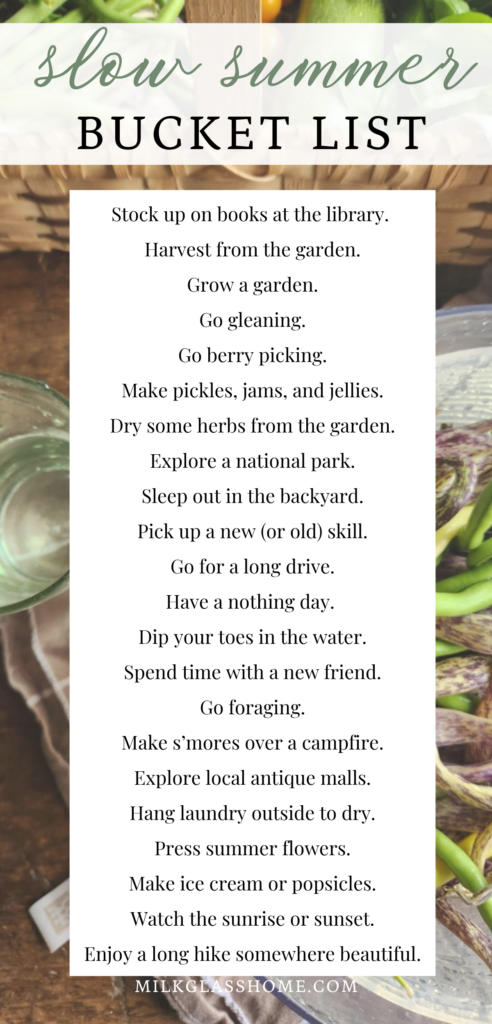
Summer Bucket List Ideas
Need some ideas to keep your summer interesting? Sprinkle these into your days and you’ll have plenty of new memories alongside lots of homemade preserves.
- Have a picnic.
- Stock up on books at the library.
- Plant flowers.
- Harvest from the garden.
- Grow a garden (and plant it again midsummer).
- Go gleaning.
- Go berry picking.
- Make pickles, jams, and jellies.
- Dry some herbs from the garden.
- Declutter or organize one stressful space in your house.
- Host or attend a BBQ.
- Try a new recipe.
- Visit a museum.
- Explore a national park.
- Sleep out in the backyard.
- Pick up a new (or old) skill.
- Go for a long drive.
- Keep the lights off and enjoy up the ambient sunlight.
- Have a nothing day. Do nothing, go nowhere, just chill.
- Dip your toes in the water.
- Spend time with a new friend.
- Have a yes day. (Say yes to anything the kids want to do.)
- Go foraging.
- Make s’mores over a campfire.
- Explore local antique malls for “new” treasures.
- Hang laundry outside to dry.
- Press summer flowers.
- Make ice cream or popsicles.
- Watch the sunrise or sunset.
- Enjoy a long hike somewhere beautiful.
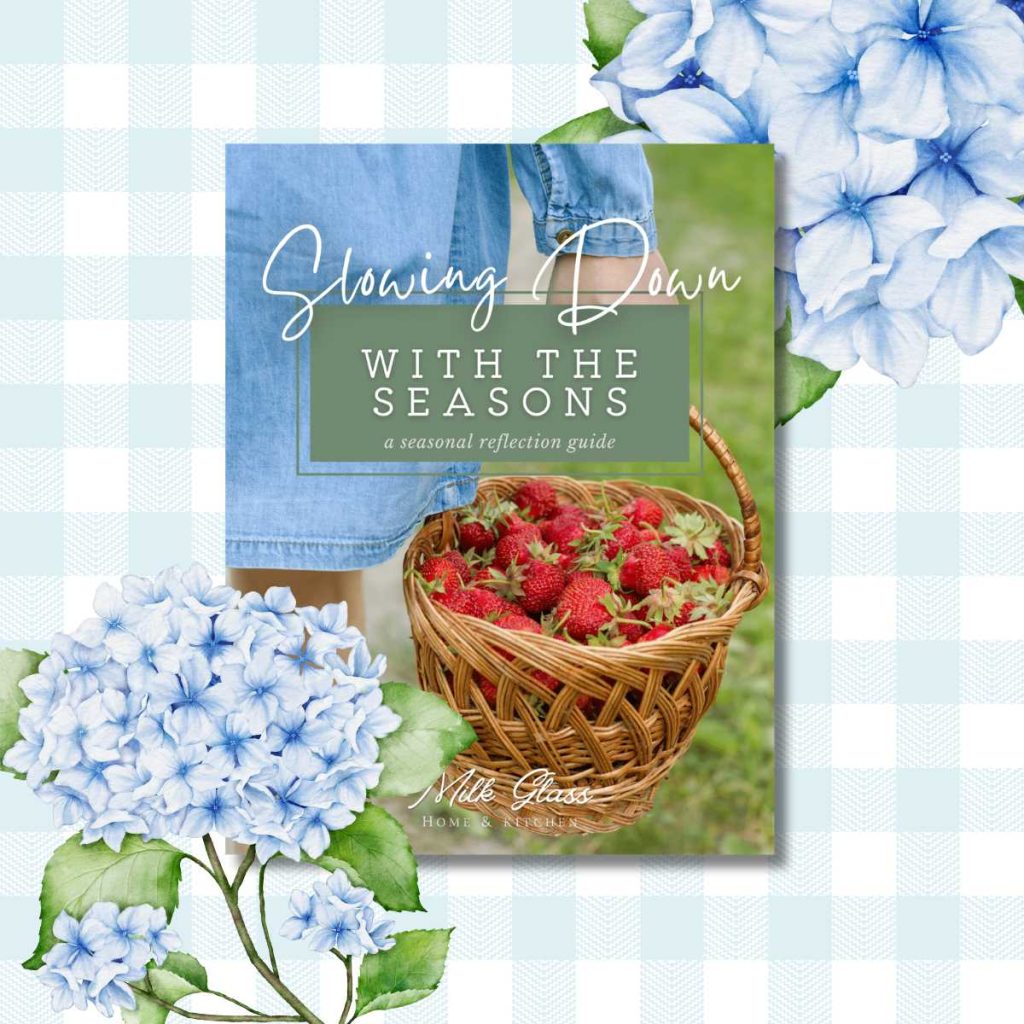
Learn how to slow down with the seasons
Grab my 39-page primer to seasonal slow living to sink into a slower, cozier pace of life while shifting with the rhythm of the seasons.
Eating with the Season
Summer is hands-down the best time of year to eat with the season. The farmers markets are overflowing with amazingly fresh produce and our own backyard gardens produce zucchini, tomatoes, and more.
This abundance can feel like a lot of work, though, and this is the busiest time of year for home canners.
We have lots of jams, jellies, pickles, sauces, and more to make before that fresh produce goes bad!
I tend to keep my meals simple in the summer with lots of grilled proteins, fresh salads, and light meals. But, the kitchen is busy, busy baking and preserving the harvest.
One of my favorite things about summer is watching the harvest shift from early summer to late. We start with a trickle of fresh strawberries and herbs before we give way to all the stone fruit, fresh berries, massive heirloom tomatoes, zucchini, and more.
Before we know it, the garden becomes a maze of winter squash vines, pea trellises, and busy bees pollinating.
I always spend a lot of time in the garden each summer, just soaking in each phase of the season. There’s beauty in watching the growth and decay, and I hope you can make some time for that yourself.

Tips for Slowing Down During Harvest Season
When the garden starts going gang busters and you come home with cases of produce from the farmers market, it’s very easy and natural to get overwhelmed. I’ve certainly made jam at 9pm at night or found myself prepping green beans for canning after dinner.
When your to-do list seems to always grow, never shrink, it’s easy to feel stressed. Here are my survival tips for the chaos of midsummer:
- Choose low-effort preservation projects. Instead of feeling like you need to can everything, try freezing, drying, or infusing your fresh ingredients. You can often can from frozen berries or tomatoes, which can be a huge help!
- Rally the troops. Invite over a friend or family member who wants to learn how to garden or can and have them help you. You can pay them in fresh produce or jars of jam. 🙂
- Shorten the list. Do you have to preserve everything? Maybe you can focus on just the essentials this year instead of trying to do it all.
- Stagger your planting. It might be a little too late now, but I often like to stagger my plantings by 2-3 weeks to give me a consistent trickle of green beans or tomatoes instead of having everything ripen at once.
- Give generously. You don’t have to use all of your homegrown zucchini or herbs. Offer them up to your neighbors or give to a food bank.
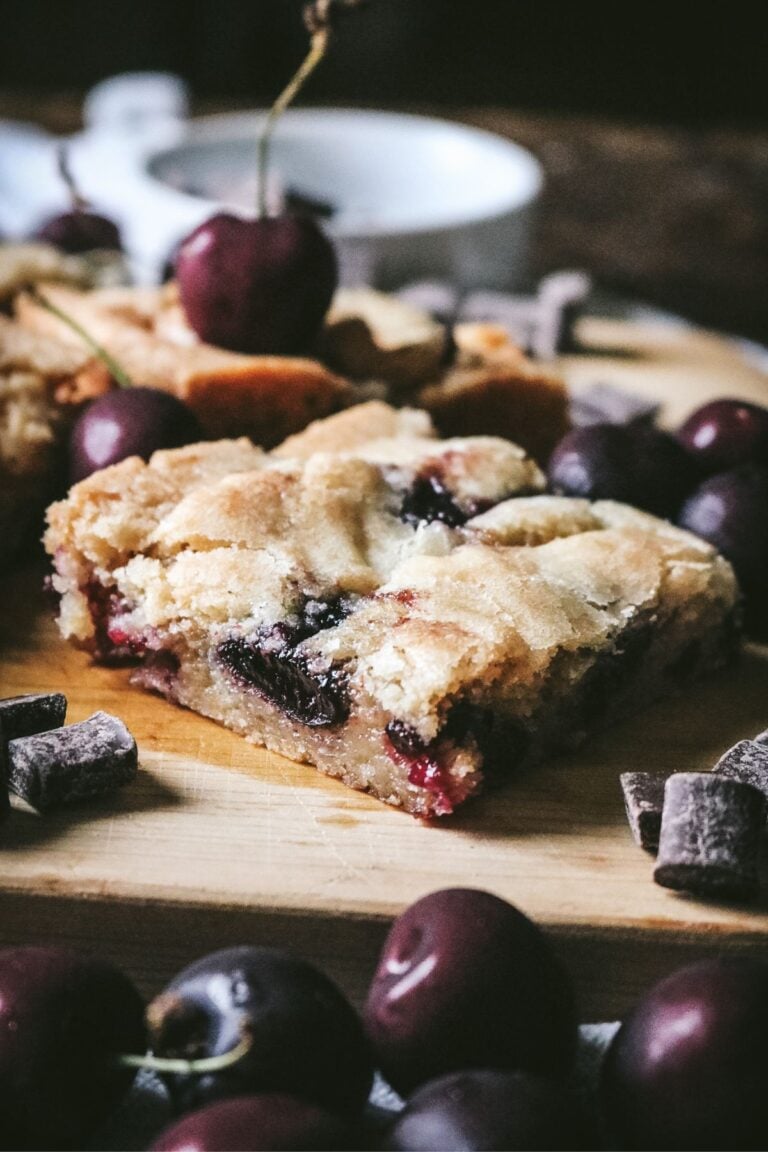
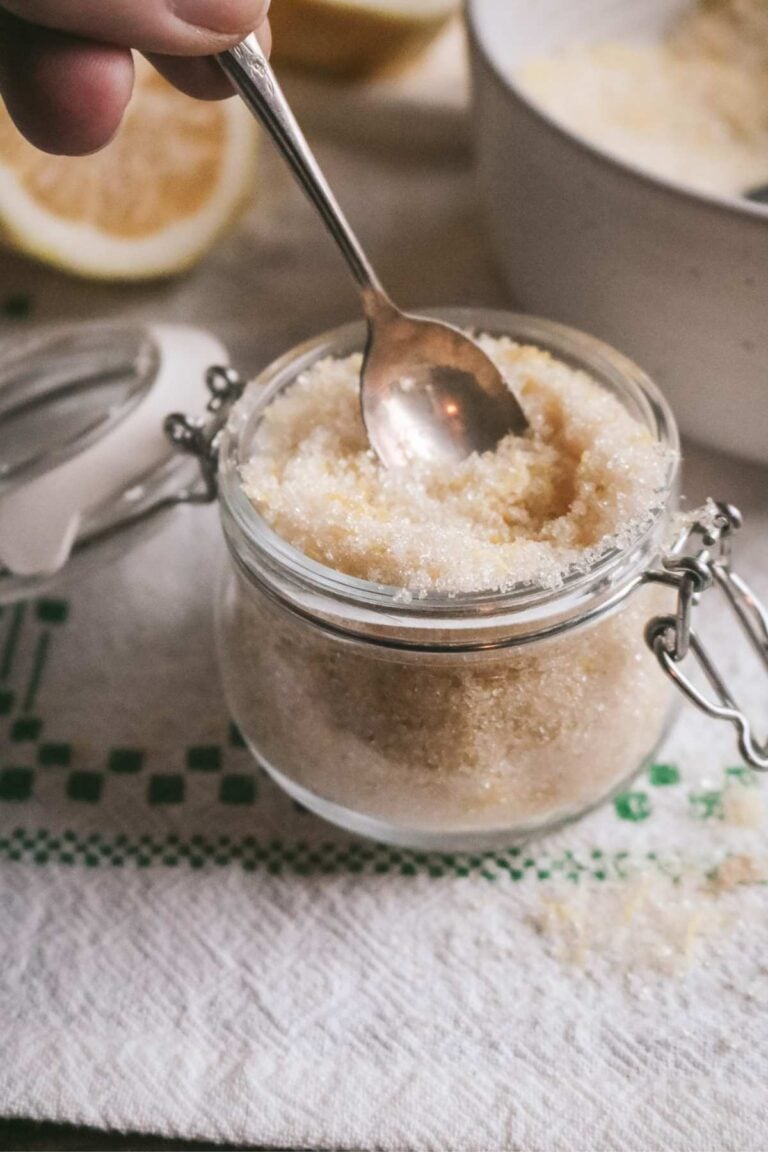
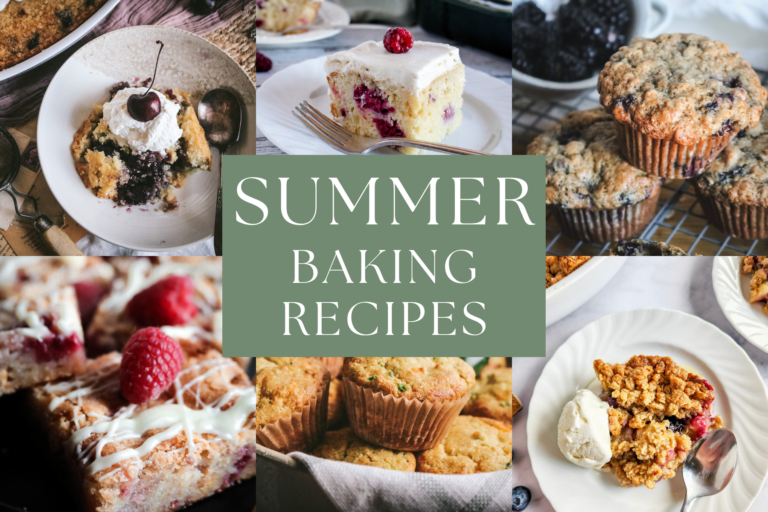
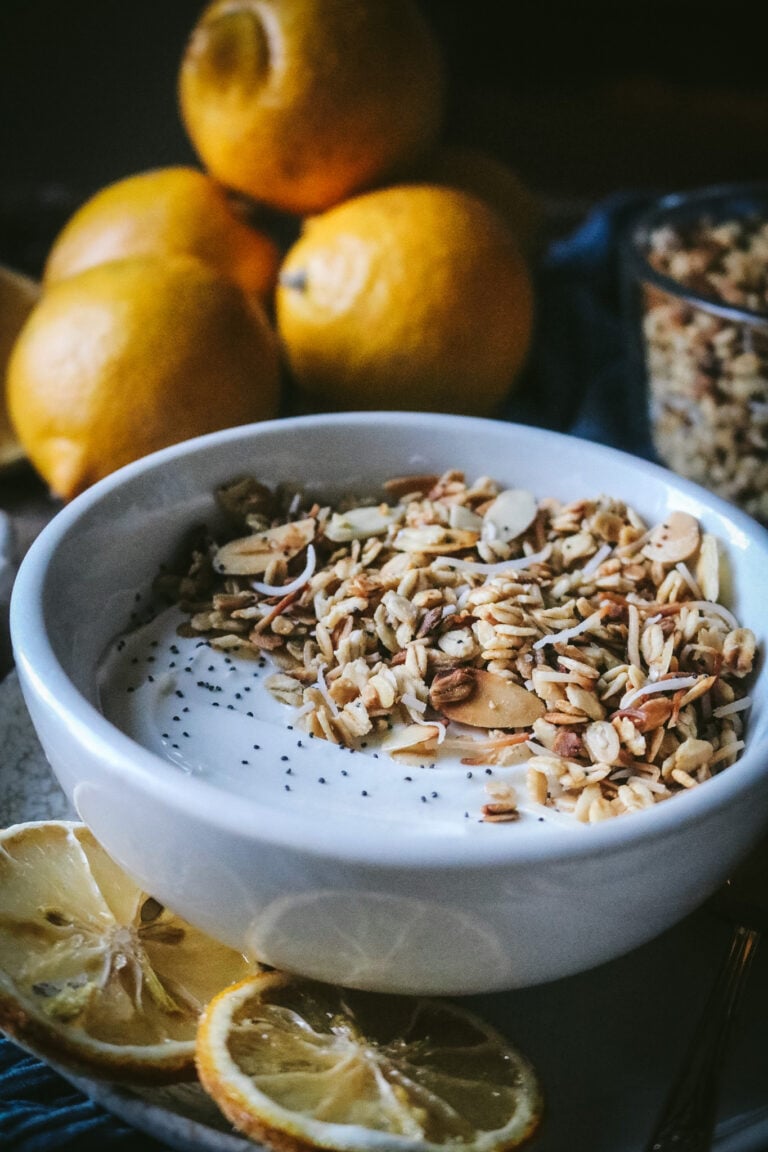
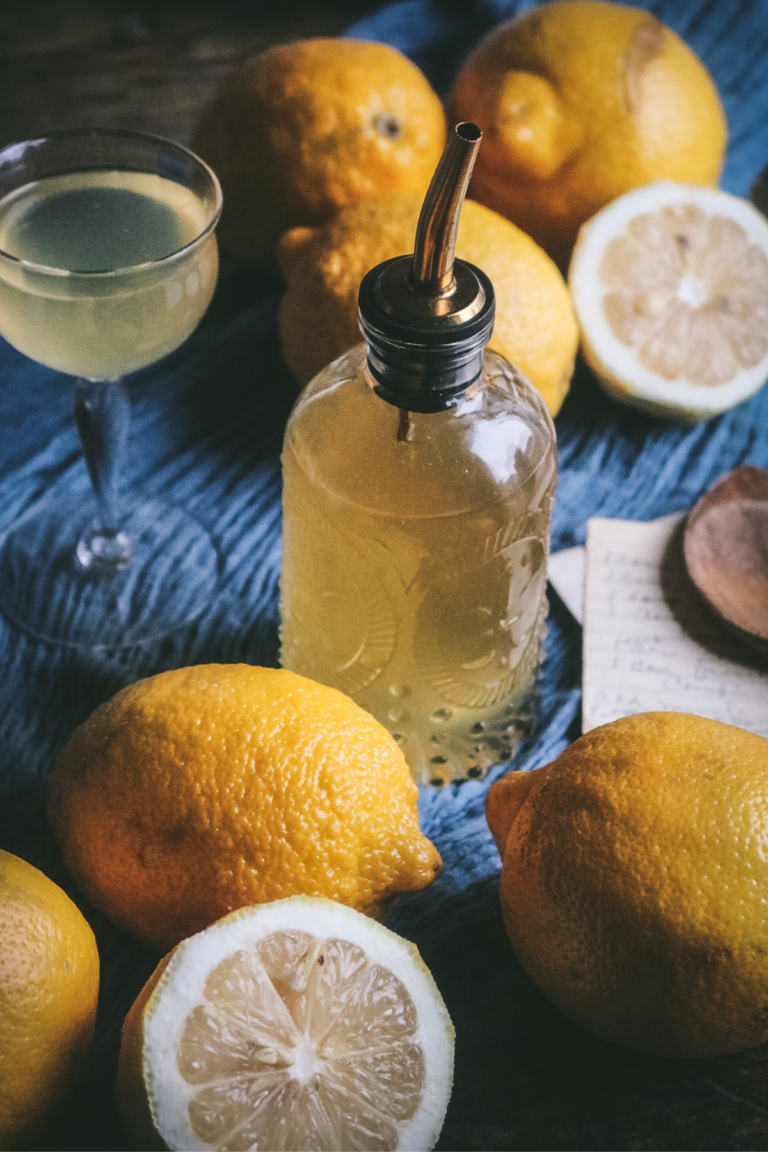
My Favorite Summer Recipes
Here are some of my favorite summer recipes for you to enjoy!


If you enjoy this post, please leave a comment or ask a question below! I’d love to hear what you think and hear about your own experiences.
Want more seasonal recipes? Subscribe for email updates or follow Milk Glass Home & Kitchen on social media. Join my Facebook Group Seasonal Slow Living to become part of the community!


