This post may contains affiliate links. We may earn a commission, at no additional cost to you, if you make a purchase via our links. See our disclosure for more information.
Dehydrated vanilla beans can be ground into a fine powder to add incredible vanilla flavor to sugar, ice cream, syrups, and more! Learn how to dry vanilla beans to make your own vanilla bean powder with this easy step-by-step guide!
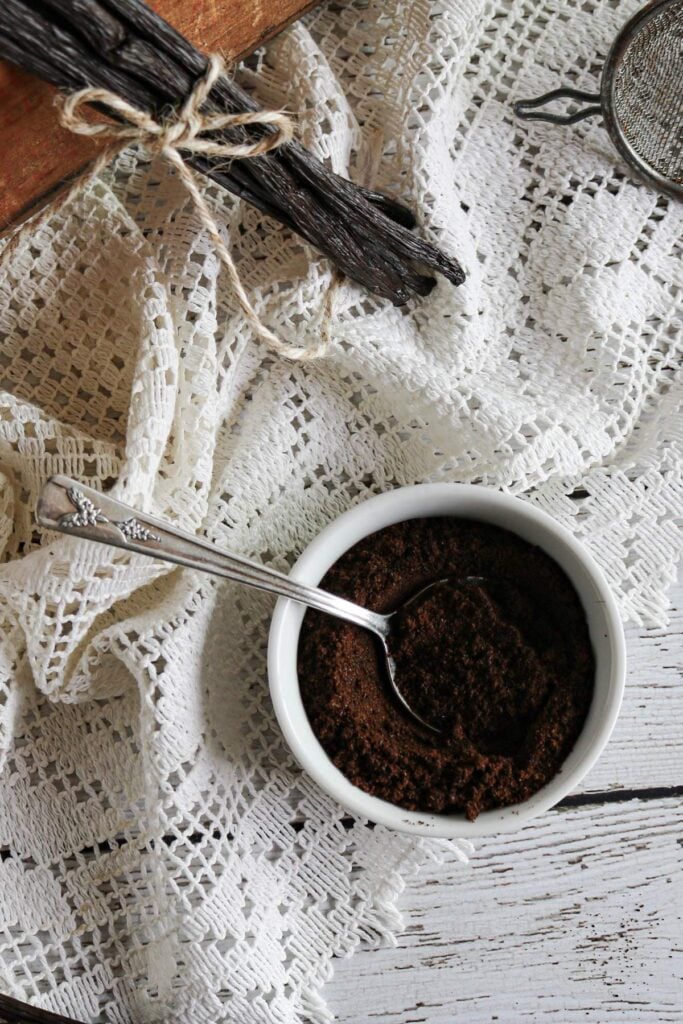
If you’ve spent any time on my blog at all, you know I love vanilla. I make a rich Bourbon Vanilla Extract to flavor my bakes, my own homemade Vanilla Bean Paste, Vanilla Sugar, and so much more.
Most of my recipes start with whole vanilla pods, but this one is a little different.
There are times when you need a dry form of vanilla, and vanilla bean powder is the perfect choice!
It’s really as simple as drying and blending the beans, so don’t be intimidated. I’ll guide you step-by-step through the process to help you make your own vanilla powder at home. No stress or fuss!
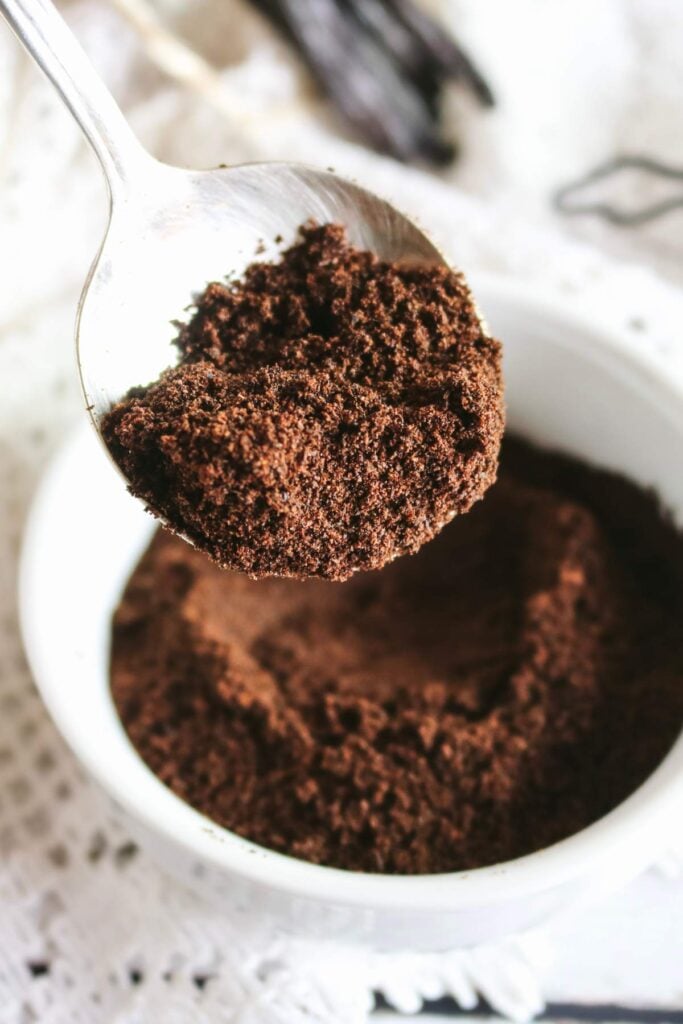
What is Vanilla Bean Powder?
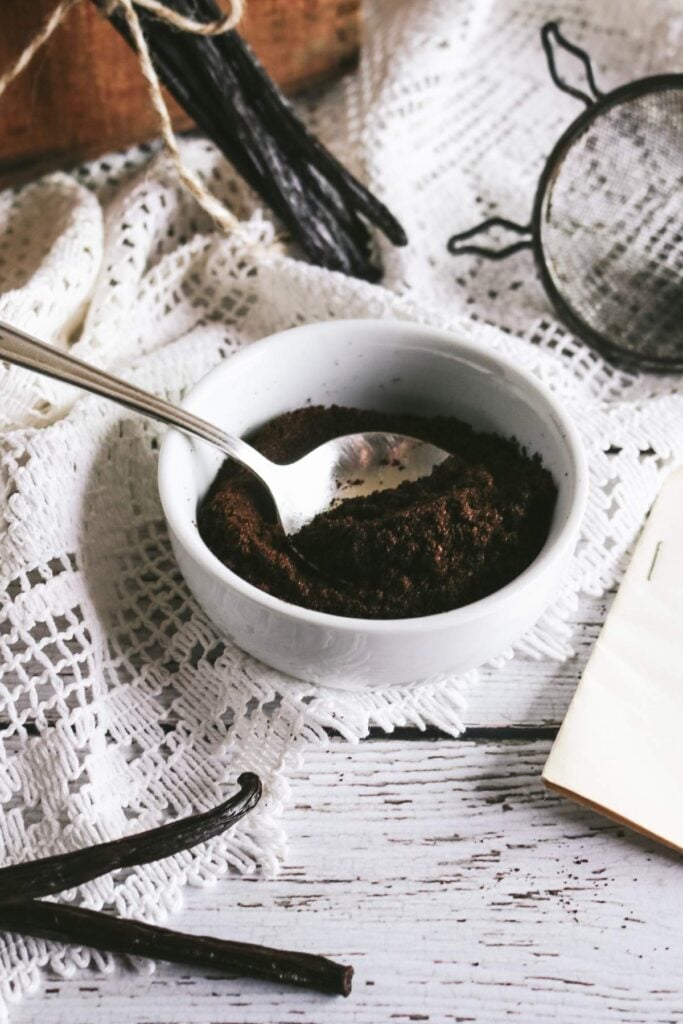
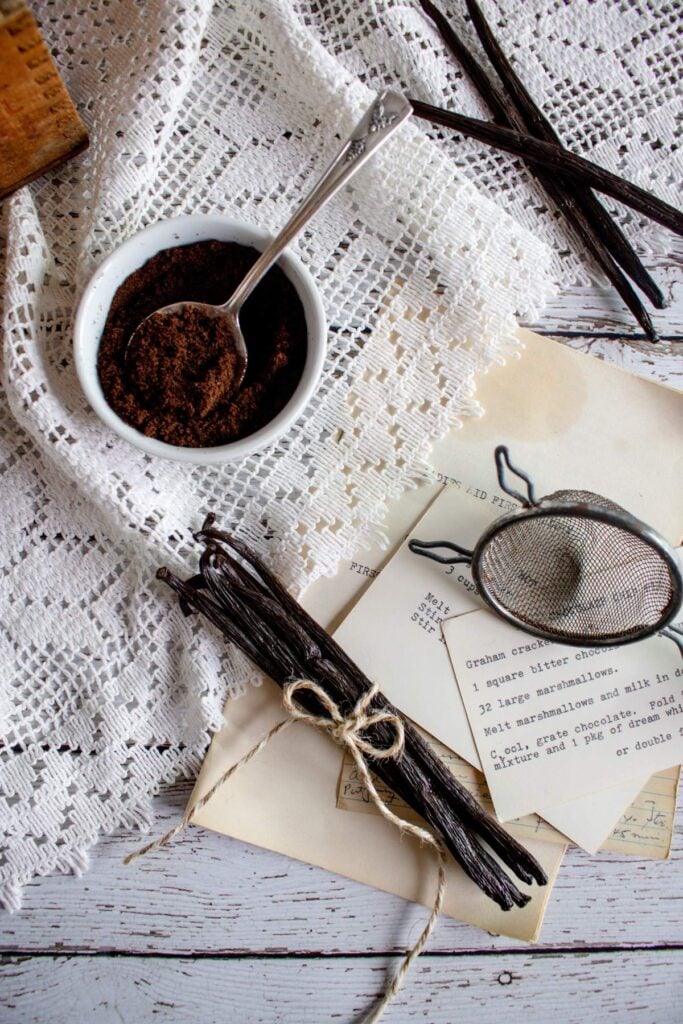
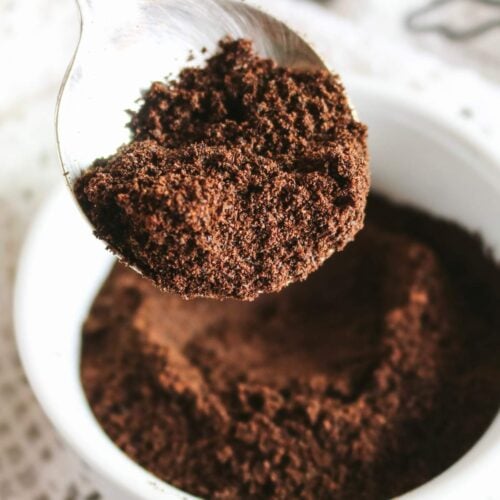
Vanilla bean powder is made by dehydrating whole vanilla beans and pulverizing them into a fine powder. They’re completely devoid of liquid but still have a strong, concentrated vanilla flavor.
Dry is the goal. The moisture in vanilla bean pods can cause some recipes to fail, like when you add them to chocolate. Plus, vanilla bean powder still contains all the flavor oils, and unlike traditional extracts, they will persist even in high heat applications.
Since vanilla bean powder is so versatile, easy to use, and shelf-stable, it’s really a wonderful asset in any baker’s pantry!
Why you should make your own vanilla bean powder
- No long curing process – I love my homemade vanilla extract, but it takes 6-12 months to get a good infusion. That’s a long time! Dried vanilla beans will add a rich vanilla flavor without all that effort.
- Avoid waste – Whether you somehow have too many vanilla beans or have some that are starting to dry out, this is a great way to extend their shelf life without compromising on flavor.
- Potent vanilla flavor – Despite feeling dried out, these beans still contain all of their flavor oils, and they’re concentrated! Just a little bit of vanilla powder will add a strong vanilla flavor.
- Alcohol free – Most extract recipes contain alcohol, and vanilla bean pastes use extract, too. Dried vanilla bean powder is a great alcohol-free option for people abstaining for any reason.
Equipment
There are two phases to this recipe: drying and blending.
- To dry, you can use either a dehydrator or a small baking sheet.
- To grind the dried-out vanilla beans, I recommend using a spice grinder, coffee grinder, or a food processor.
- For storage, choose an airtight container like a small mason jar.
Ingredients
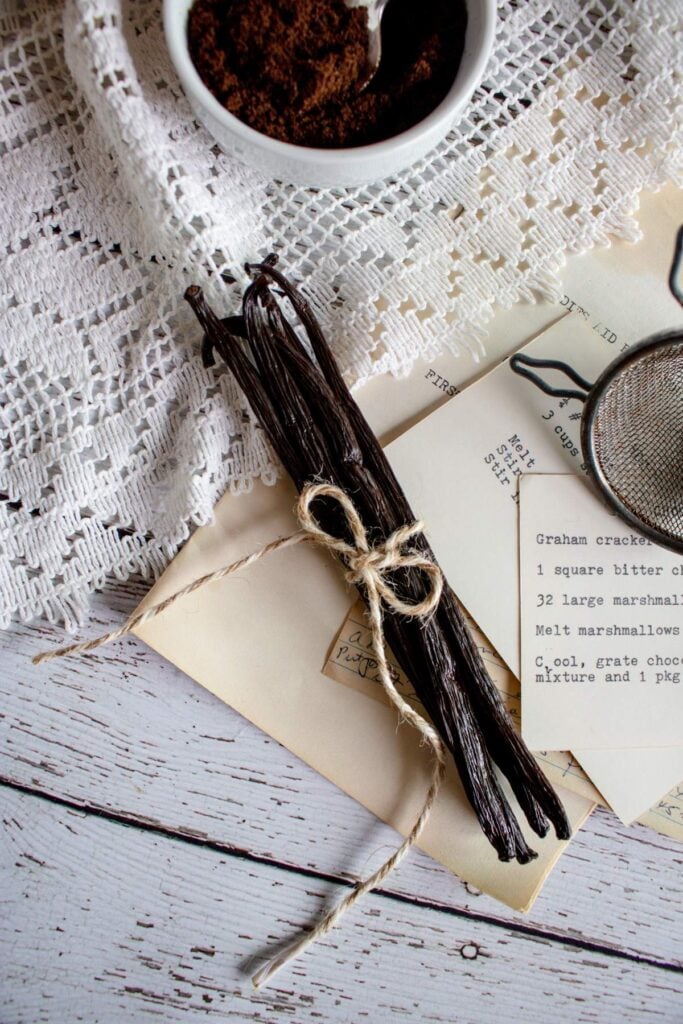
Whole vanilla beans – This is where you really have a lot of options! Use any type of vanilla beans you’d like: Tahitian, Mexican, Madagascar, Ugandan, etc. Since real beans have a high price, it’s best to choose a less expensive option instead of your finest beans.
I used Ugandan beans from Kiddu, which have a strong vanilla flavor like Madagascar beans, but I can get 50 grade A beans for about $35 online. I normally like to use Cook’s or Native Vanilla organic beans, but the ~$1/bean price is too high for this recipe.
Drying vs Curing Vanilla Beans
Fresh vanilla beans have a green color and must be cured before they turn into the glossy brown beans we recognize.
Curing vanilla beans is a 4-step process that includes dipping them in hot water, sweating them in wool blankets to increase the number of vanillin crystals, drying them to the ideal moisture level, and conditioning them in boxes lined with wax paper to strengthen their flavor and scent.
This post is about dehydrating vanilla beans, and removing the excess moisture to create a dry powder. It’s like dehydrating strawberries or pears, but it is not a method for curing beans.
How to Dry Vanilla Beans
You can dry vanilla beans with a dehydrator or oven or you can even dry them at room temperature. The steps below will explain how to dry using the oven or dehydrator.
1. Preheat your oven or dehydrator to 150-170 degrees F. This is usually the lowest temperature you can achieve with a standard oven.
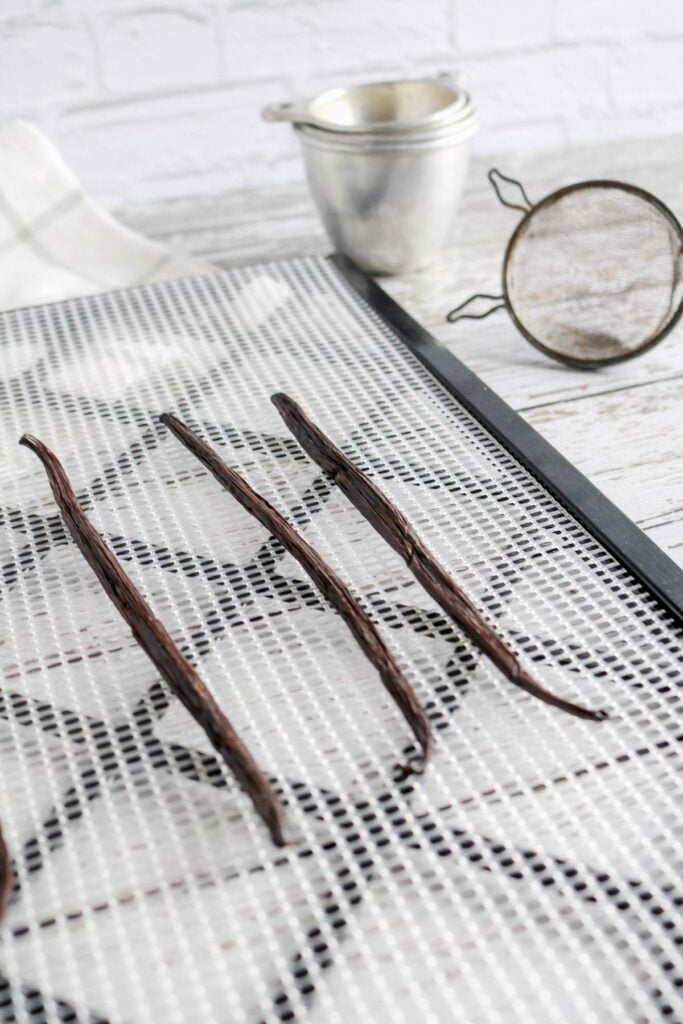
2. Arrange the vanilla beans in a single layer on a baking sheet or your dehydrator tray.
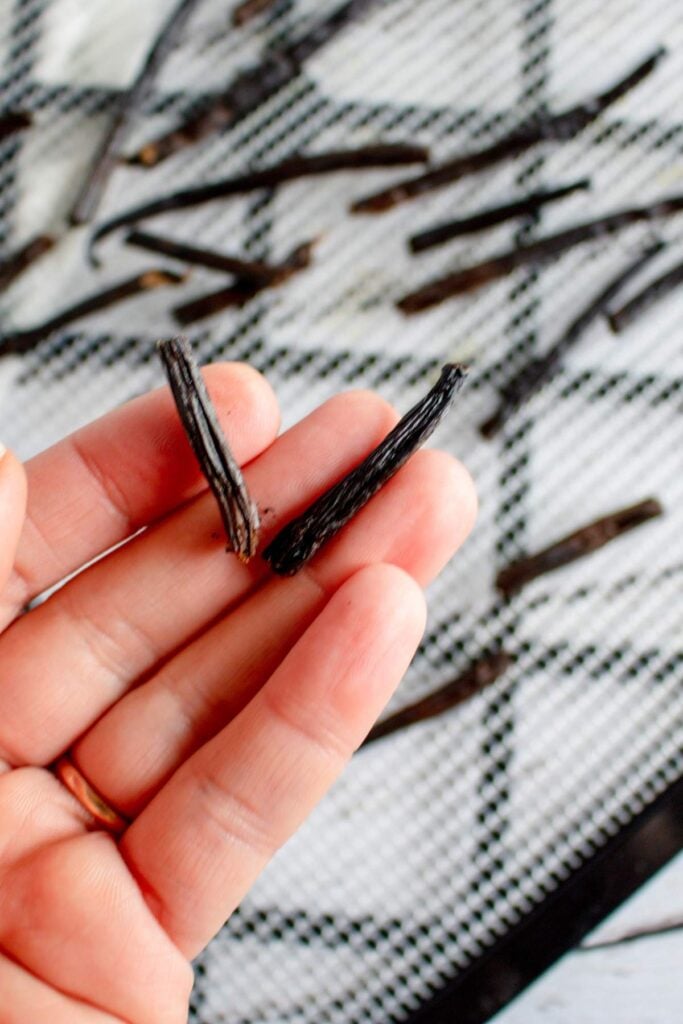
3. Place the vanilla beans in the oven or dehydrator and dry for 2-4 hours. Halfway through the drying period, I like to poke holes into the vanilla beans to release extra moisture. Check on the beans several times while drying to check the moisture level. The dried beans should feel hard and dry to the touch, and you should be able to snap them in half with your fingers.
4. Remove the dried vanilla beans from the oven or dehydrator and let them cool to room temperature.
How to Make Vanilla Bean Powder
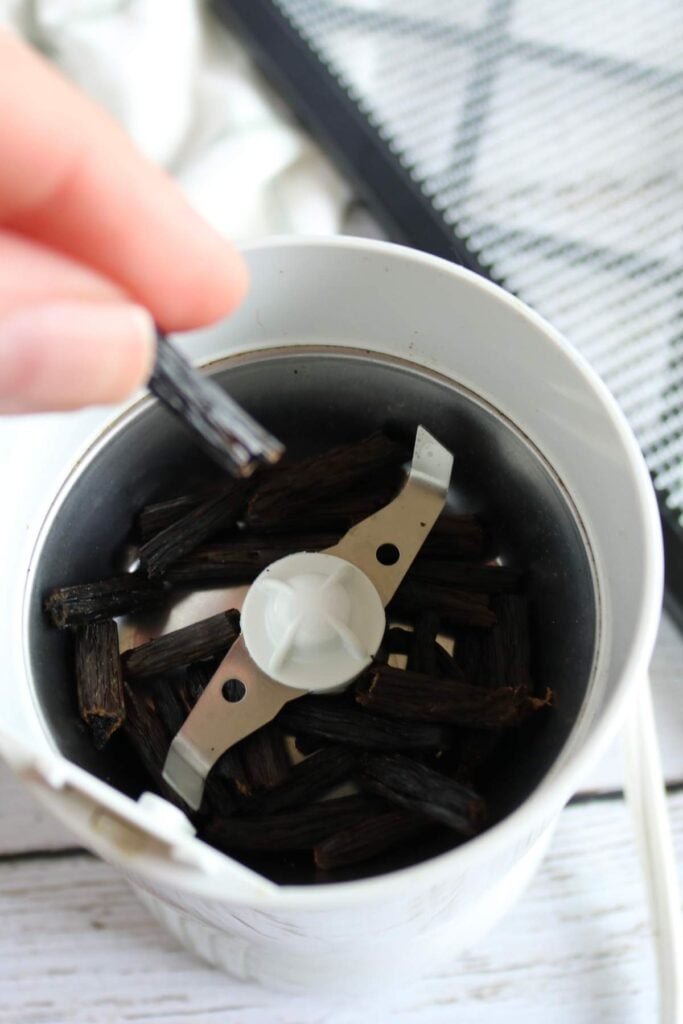
1. After the beans are fully dried, break them into small pieces and place them in a spice grinder.
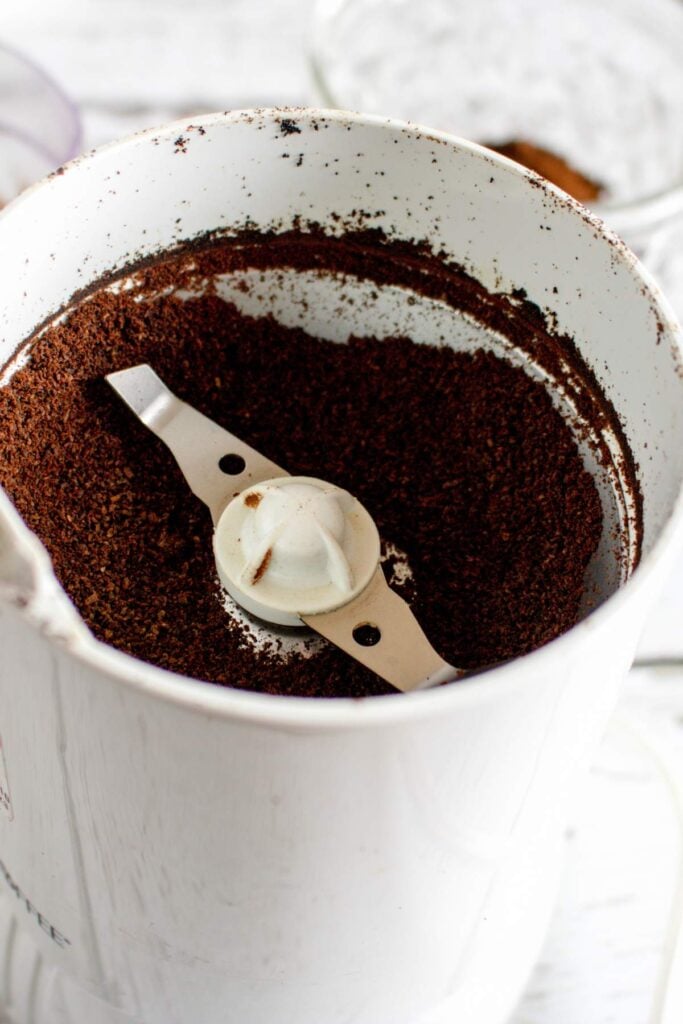
2. Blend until the beans turn into a fine powder.
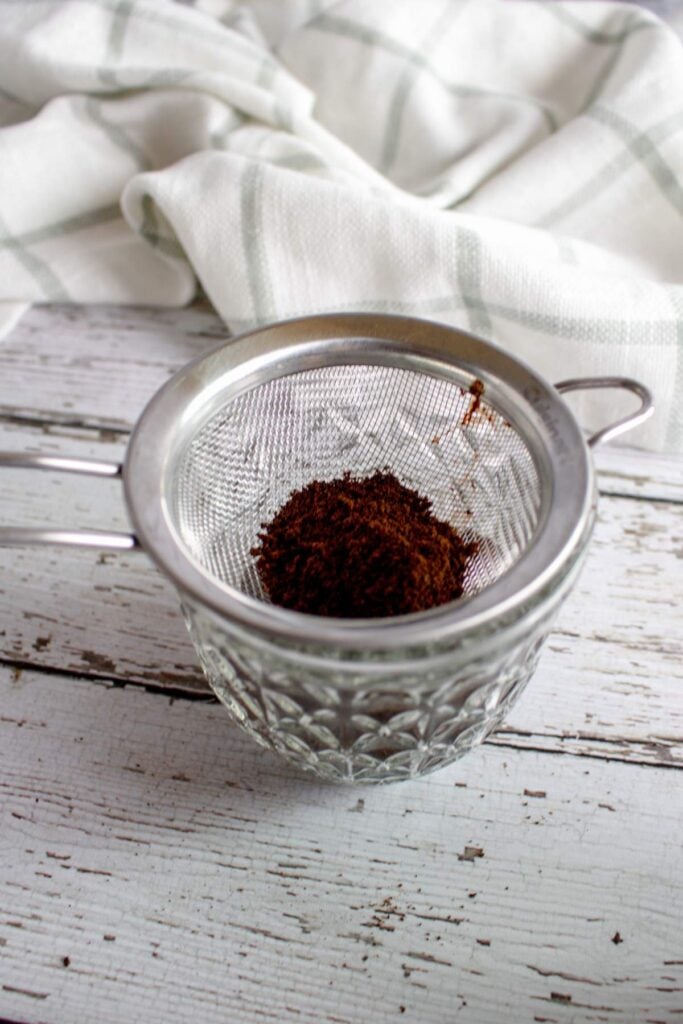
3. Use a small strainer to sift out any clumps.
4. Store the vanilla bean powder in an airtight container at room temperature for up to a year.
Storing Suggestions
Homemade vanilla bean powder can be stored in an airtight container in a cool, dark place for up to a year. If you live in a humid area, it can help to add a food-safe oxygen absorber. Make sure the vanilla beans are fully dried, or the powder can grow mold.
Tips & Variations
- Make vanilla powdered sugar. To clean out my spice grinder, I added a few tablespoons of sugar and blended. The sugar crystals picked up the little flecks of vanilla and the whole mixture tastes amazing!
How to Use Vanilla Bean Powder
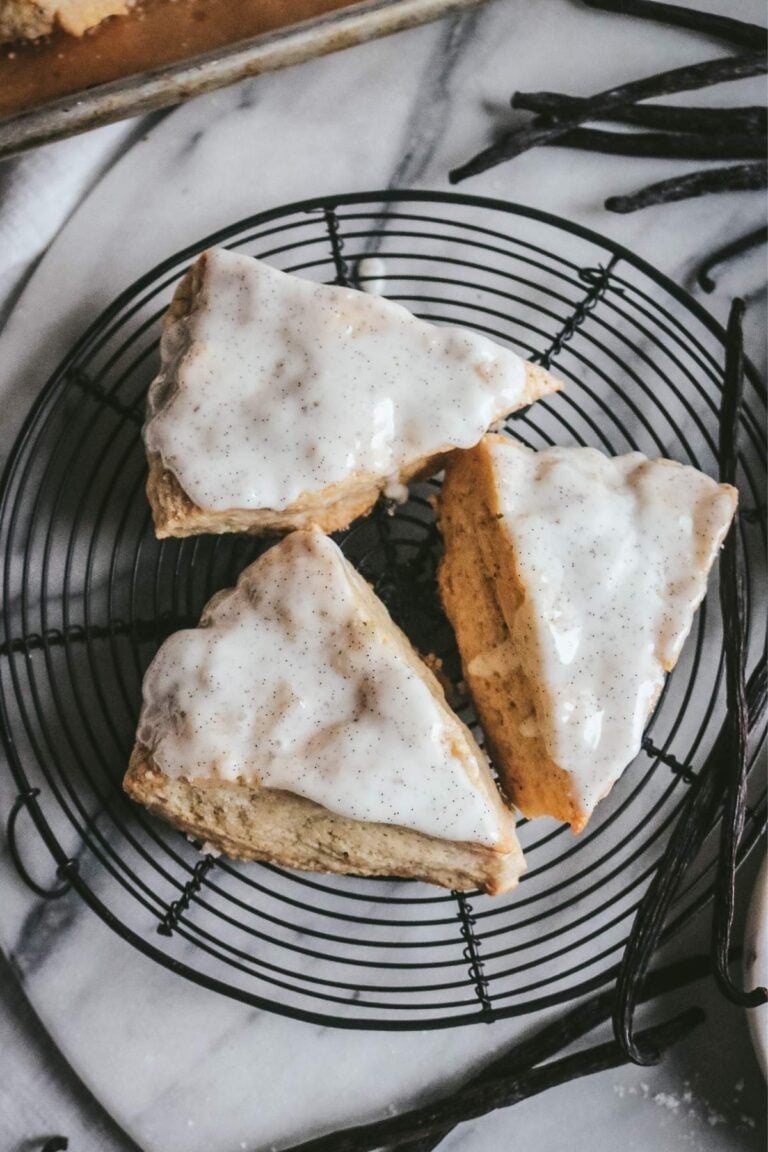
Vanilla bean powder can be used to add a hint of vanilla and little black flecks to a variety of recipes and projects. They have a concentrated vanilla flavor and can even have a stronger flavor than pure vanilla extract.
- To replace vanilla extract – Use half as much vanilla bean powder. Instead of a teaspoon of extract, use 1/2 tsp powder.
- Make homemade vanilla simple syrup – Instead of using fresh beans, use a teaspoon or two of vanilla powder. You’ll still get the black flecks and lots of flavor!
- Make your own vanilla sugar – I usually use whole beans for this process, but you can stir a teaspoon of vanilla powder into a cup of sugar and let it sit for a few days to bring out its flavor.
- Try vanilla salt – Just like the sugar, stir vanilla powder into sea salt. It makes a great finishing salt!
- Add to homemade vanilla ice cream, puddings, cakes, cookies, and more – Just replace the vanilla extract with powder or add an extra 1/2 teaspoon to your recipe. It will not affect the moisture content, so it can be added to any recipe.
- Add a natural vanilla scent to homemade candles – Vanilla bean powder is pricey to make, but a little goes a long way. Add a 1/4 teaspoon to your homemade beeswax candles to add a subtle aroma.
FAQs
Yep! The dehydrator is a great way to dry vanilla beans, but be sure to only use beans that have already been cured. They need to be glossy brown or almost black in color. This method is used to make vanilla bean powder, not to cure fresh pods.
If your real vanilla beans have dried out in storage, consider this a sign to try something new with them! You can still use them to make vanilla extract or sugar, but you can also dehydrate them all the way to make your own vanilla bean powder. Just make sure they are fully dehydrated with no moisture. They shouldn’t be able to bend or flex without breaking.
If you’ve ever been shocked by the price of vanilla bean powder, there’s a good reason for the high cost. It’s made with one ingredient: dehydrated vanilla beans that are blended into a fine powder.
Since most vanilla bean brands charge about a dollar per bean, even a small glass container probably has 8-10 beans. I got about 4 tablespoons (1/4 cup) of vanilla bean powder from 8 large vanilla beans, so my ingredients only cost $5.60 (not including time, labor, or electricity to run my dehydrator).
Since one ounce of prepackaged vanilla bean powder costs about $10 online ($160/pound), this method is much cheaper if you get the right beans.
More Vanilla Recipes
- Homemade Vanilla Paste
- Bakery Style Vanilla Muffins
- Easy Vanilla Bean Simple Syrup
- Vanilla Infused Honey
- Vanilla Pear Liqueur

If you made this recipe, please leave a comment or ask a question below! I’d love to hear what you think or troubleshoot any issues.
Get my FREE Homestead Kitchen Supply List to make it easier than ever to cook and bake from scratch.
Want more seasonal recipes? Subscribe for email updates or follow Milk Glass Home & Kitchen on social media. Join my Facebook Group Seasonal Slow Living to become part of the community!
Homemade Vanilla Bean Powder
Equipment
- dehydrator or oven
- spice grinder or food processor
- small glass jar
Ingredients
- 8-10 whole vanilla beans
Instructions
How to Dry Vanilla Beans
- Preheat your oven or dehydrator to 150-170 degrees F. This is usually the lowest temperature you can achieve with a standard oven.
- Arrange the vanilla beans in a single layer on a baking sheet or your dehydrator tray.
- Place the vanilla beans in the oven or dehydrator and dry for 2-4 hours. Halfway through the drying period, I like to poke holes into the vanilla beans to release extra moisture. Check on the beans several times while drying to check the moisture level. When done, the dried beans should feel hard and dry to the touch and you should be able to snap them in half with your fingers.
- Remove the dried vanilla beans from the oven or dehydrator and let them cool to room temperature.
How to Make Vanilla Bean Powder
- After the beans are fully dried, break them into small pieces and place them in a spice grinder.
- Blend until the beans turn into a fine powder.
- Use a small strainer to sift out any clumps.
- Store the vanilla bean powder in an airtight container at room temperature for up to a year.
Notes
Nutrition
Did you try this recipe?
Post a photo and tag @milkglasshome!Pin this recipe for later!



Can you make this even if you have already used and scrapped out the inside of the bean to use in a different recipe? I am trying to see what I can do with the left-over bean husk.
Definitely worth a try! I’d mix in some beans that still have the caviar for the boldest vanilla flavor, if you can.